
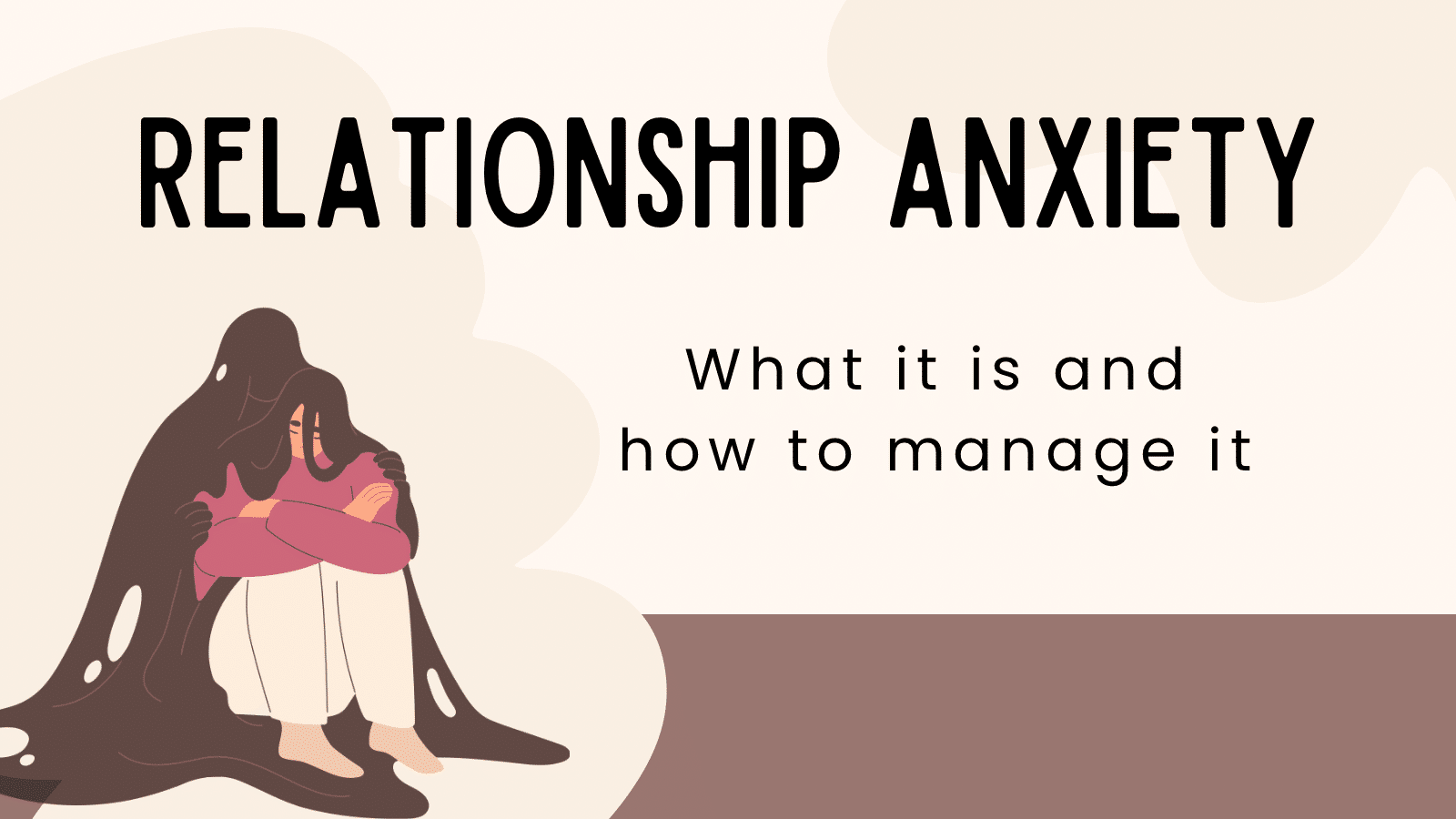
A practical guide to feeling more secure, grounded, and confident in your relationships
Relationship anxiety can feel like having a smoke alarm in your chest that goes off every time your partner takes too long to text back. Even when nothing is burning, your nervous system insists there is. 🔔
If you find yourself overthinking interactions, fearing abandonment, needing constant reassurance, or analyzing tone like it is a cryptic riddle, you are not alone. Relationship anxiety is common, and it is manageable.
This guide is a good place to start to walk you through what relationship anxiety is, what causes it, and how to calm it without sabotaging the connection you care about.
What Is Relationship Anxiety?
Relationship anxiety is a pattern of excessive worry, doubt, or fear related to romantic attachment. It often includes:
- Fear of being rejected or abandoned
- Constant need for reassurance
- Overanalyzing texts, tone, or facial expressions
- Assuming the worst during minor conflicts
- Difficulty trusting your partner’s intentions
- Feeling emotionally “on edge” in otherwise healthy relationships
It can show up at any stage, from new dating to long term commitment.
Relationship anxiety is not a character flaw. It is usually a nervous system response shaped by past experiences.
Why Relationship Anxiety Happens
Relationship anxiety often develops from earlier relational wounds. These may include:
- Childhood emotional neglect or inconsistency
- Past betrayal or infidelity
- Psychological abuse
- Unpredictable caregivers
- Prior relationships with intense highs and lows
If your early experiences taught your brain that connection is unstable, your mind may scan for danger even when you are with a safe partner.
Attachment theory helps explain this. Individuals with anxious attachment styles often fear losing closeness and may become hyper attuned to signs of disconnection. This does not mean you are “too much.” It means your system learned to survive by staying alert.
Signs Your Relationship Anxiety Is Activated
When anxiety is triggered, you might notice:
- Racing thoughts about your partner leaving
- Urges to check their phone or social media
- Seeking repeated reassurance
- Imagining worst case scenarios
- Emotional swings after small changes in communication
It can feel urgent and convincing. Anxiety tends to speak in absolutes:
“They are pulling away.”
“This means they are losing interest.”
“I must fix this now.”
Anxiety is loud. It is not always accurate.
How to Manage Relationship Anxiety
Managing relationship anxiety is about calming your nervous system and strengthening internal security, not controlling your partner.
Here are practical strategies that work.
-
Learn to Regulate Before You React
When anxiety spikes, pause. Your nervous system is in fight or flight mode.
Try:
- Slow breathing for 60 seconds
- Placing your feet firmly on the floor
- Naming five things you can see
- Delaying reactive texts for 20 minutes
Regulation first. Conversation second.
You cannot solve relationship fears from a dysregulated state.
-
Separate Feelings From Facts
Anxiety blends feelings and facts into one dramatic headline.
Instead of:
“They have not texted in three hours. They must be losing interest.”
Try:
“I notice I feel anxious because they have not texted. The fact is I do not know why yet.”
This small shift builds emotional maturity and clarity.
-
Identify the Old Story
Ask yourself:
- What does this remind me of?
- When have I felt this way before?
- Is this about my current partner, or an old wound?
Often, relationship anxiety is a younger part of you trying to prevent abandonment that already happened.
Understanding the origin reduces its power.
-
Build Internal Reassurance
External reassurance helps temporarily. Internal reassurance creates long term security.
Practice statements like:
- “I can handle uncertainty.”
- “One delayed text does not equal rejection.”
- “I am worthy of stable love.”
You are teaching your nervous system a new script.
-
Communicate Clearly and Calmly
Healthy communication reduces anxiety over time.
Instead of accusations, use grounded statements:
- “When plans change suddenly, I notice I feel anxious. Can we talk about that?”
- “Reassurance helps me when I am feeling insecure.”
Vulnerability builds connection. Accusation builds defensiveness.
-
Strengthen Your Individual Identity
Relationship anxiety grows when your identity shrinks.
Maintain:
- Friendships
- Hobbies
- Personal goals
- Independent routines
A relationship should complement your life, not be the sole source of your stability.
The more secure you feel within yourself, the less fragile the connection feels.
-
Consider Therapy for Attachment Work
If relationship anxiety feels overwhelming or repetitive, therapy can help you:
- Explore attachment patterns
- Process past relational trauma
- Build emotional regulation skills
- Develop secure relationship behaviors
Working through attachment wounds can transform not only romantic relationships but your relationship with yourself.
Can Relationship Anxiety Go Away?
Yes. It can significantly decrease with awareness and consistent effort.
You may always feel vulnerability in close relationships. That is human. But the intensity, urgency, and panic can soften.
Over time, your nervous system learns that connection does not equal danger.
When Relationship Anxiety Signals a Real Issue
It is important to distinguish anxiety from intuition.
If your partner is:
- Dismissive of your feelings
- Inconsistent or dishonest
- Emotionally unavailable
- Engaging in manipulation
Your anxiety may be responding to genuine instability.
Managing anxiety does not mean tolerating unhealthy behavior. Emotional security requires both internal work and relational safety.
Final Thoughts: You Are Not “Too Needy”
Relationship anxiety is not a flaw. It is often a protective strategy that once kept you safe.
But protection that never turns off becomes exhausting.
Healing means teaching your nervous system that love can be steady, not chaotic. It means responding instead of reacting. It means building security from the inside out.
And it is possible. 🌿
If you are struggling with relationship anxiety and want support in building healthier attachment patterns, therapy can provide a safe space to explore and grow.
Security is not something you are born with or without. It is something you build, one regulated breath at a time.